John B. Kelly, III
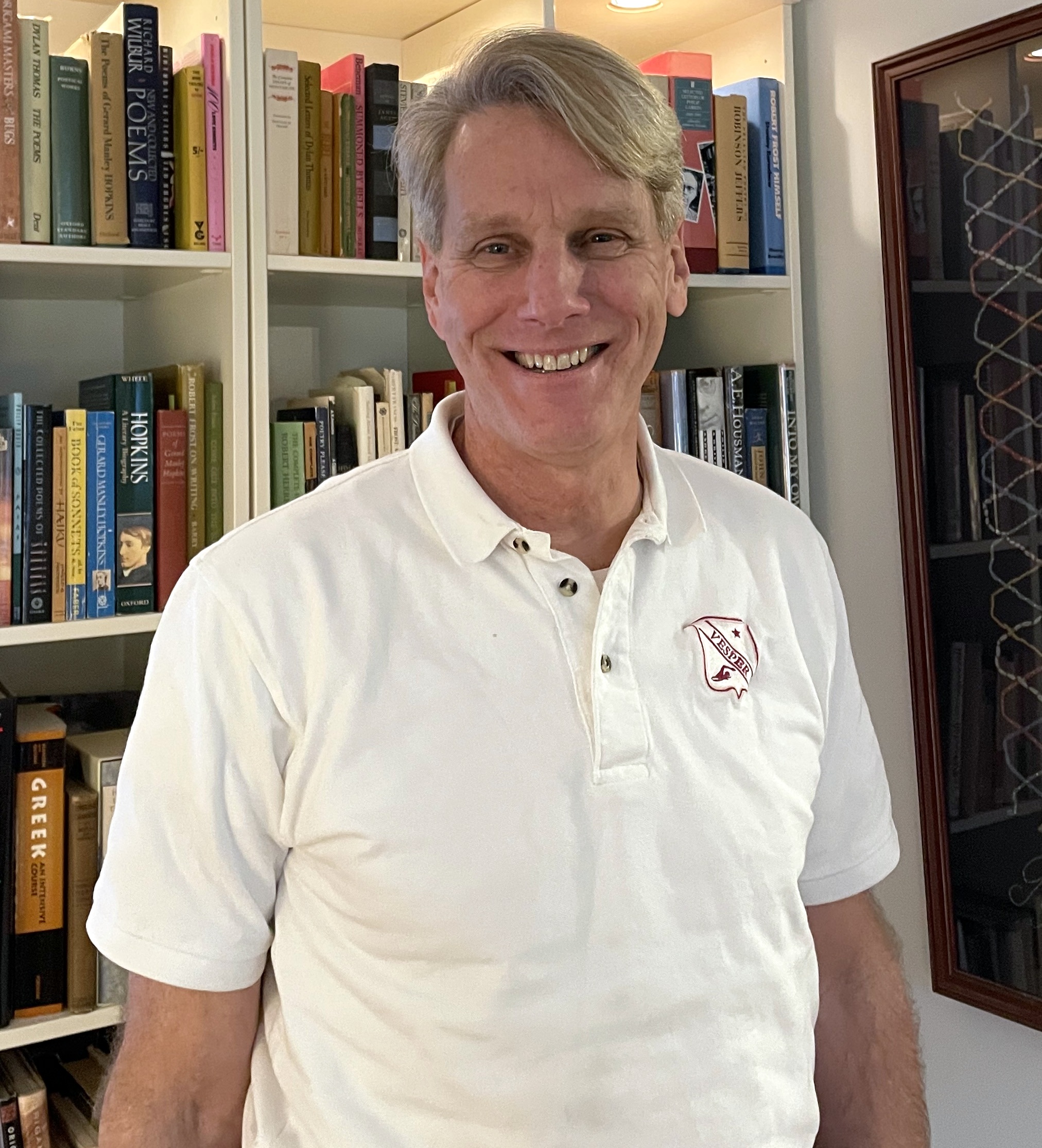
East Falls Historic Society Oral History Interview
Interviewee: John Brandon Kelly III (JBK)
Interviewer: Wendy Moody (WM) and Patty Cheek (PC)
Interview: January 24, 2025
Transcribed by: Wendy Moody, EFHS
WM: It’s January 24th, 2025. Wendy Moody and Patty Cheek, representing the East Falls Historical Society, are in Wendy’s home, interviewing JB Kelly III. JB, thank you for coming.
JBK: My pleasure.
WM: We have a lot to cover. We’re going to ask about your grandfather, your father, your aunts, and the renovation of the Kelly house. But let’s start with a little bit about yourself – when and where you were born, your education.
JBK: Sure. Ok, yeah, I’ll give a quick synopsis – J.B. Kelly III in two minutes. I was born May 16th, the Feast of Saint Brendan, which is a complete coincidence because my middle name, the
B is for Brendan, at University of Pennsylvania Hospital.
WM: What year?
JBK: 1960. I grew up in Wynnewood, across the river, but I used to come back here and visit my grandmother until she sold the house in 1974, I think it was, or maybe 1973. But I came over here for school at Penn Charter, so, besides visiting my grandmother, my experience in East Falls was through Penn Charter.
WM: Was that just high school?
JBK: Just high school. I went to grade school at a little school called Montgomery Country Day School in Wynnewood and I finished in eighth grade, and I came to Penn Charter for high school. I used to eat at Gino’s down on Midvale, where the bank (Truist) is now.
And then after that, well, we had sort of connections because of Saint Bridget’s. I always think of Saint Bridget’s as the place where, when we were younger, our cousins would get married, and when we got older, it’s where we would say goodbye to people in our family, so St. Bridget’s has been what has kept the family connected to East Falls other than friends that we have here – Gus Ignas, in particular, who is the bartender at Murphy’s, who was a great rower and a great friend of my dad’s and became a good friend of mine. Those are the things that personally kept me connected until we got back with the house here.
WM: And then what happened? Where did you go to college?
JBK: I apologize. I drifted away from my story. I was lucky, I got to go to Harvard University for college. I returned home with a degree and a wife – we got married that year right after college, not during college. We got married but, although a lot of people say we got married too young, we had 28 good years of marriage – well, maybe 25 good years of marriage. (laughter).
WM: What was her name?
JBK: Karen Spencer. She was from Evanston, Illinois. So we lived in a couple different places, but primarily, we raised the kids in Chestnut Hill. I have always lived in the city since graduation.
WM: And what children do you have?
JBK: So I have two children, Katherine, who’s now 35, and Nicholas, who is 31. And professionally, I work in finance, from commercial banking, investment banking, and most recently as a Chief Financial Officer for different companies over the years. And so I’m remarried now to Alexandra Golaszewska. And we’ve been married since 2020, but we’ve been together for over 10 years.
WM: Can you spell that?
JBK: I always have to picture it in my head, because it’s a hard one: G-o-l-a-s-z-e-w-s-k-a.
WM: Thank you, that will help with the transcription. Let’s start with your grandparents. So you were born in 1960…
JBK: I was born in May of 1960 and my grandfather passed away in June of 1960, so there’s actually only one picture of us together and obviously I was just a babe – I think it was at my Christening. He already had, I believe it was stomach cancer and was not well. In fact, I always saw a picture of me sitting on my Dad’s lap at the Christening and there was an elbow in the picture, as my dad didn’t like seeing my granddad so sick. So all the pictures I saw around the house growing up did not have my grandfather in them. Later on I found pictures with my grandfather in them, which I do like, and I have those now. But he wasn’t looking well.
PC: How old was he?
JBK: He was, I think, 72. Well, we can calculate it. He was born in – maybe he was 71.
WM: I have here that he died in 1960 at age 70.
JBK: Right, but he would have been about to turn 71, because he was born in the fall, I believe, 1889. So in 1960 he would have been 70 to 71.
WM: Tell us about your grandmother.
JBK: She was lovely, but she was tough. Oh yeah, she was a tough German. She didn’t take any nonsense. All the kids in our generation, the thirteen of us who were first cousins, all have Ma Kelly stories about the discipline. She actually adopted that moniker for the grandchildren, I guess from her mother-in-law, who was the original Ma Kelly. Pop’s mom was known as Ma Kelly. And then my grandmother took on that moniker as she got older.
WM: I had heard that she always made her four children write thank you notes. We have lots of thank you notes from Grace in our collection, so this must have sunk in.
JBK: You should interview my sister Susan because she can tell you a lot more about Ma and Grace on that issue. I even got one, but she did more with the girls. But just before my wedding in 1982, Grace sent me a very nice letter of advice about marriage, about some of her thoughts on my particular marriage – my first wife was African American, so she was concerned that we would have some challenges in life and because of that, she gave her advice on it. But she did even more of that sort of thing with the girls of our generation. She wrote to them about their child rearing, about their relationships. She was just a good writer and kept in touch with them.
After my grandmother had her stroke, Grace became the matriarch of the family and really took an interest in all the nieces and nephews and helping them. It was really nice that they all have memories of the correspondence that she had with them. And mine, in particular, was touching – it arrived at about the same week that she passed away, which was just two weeks before the original date for my wedding. We postponed and got married several months later. Caroline had called us and asked us to postpone the wedding, which we were already starting to think about. It was such a shock.
WM: Going back to your grandmother, tell us some of her achievements.
JBK: Oh, so yeah, as a young woman, she was a good swimmer and athlete, and she started women’s sports at University of Pennsylvania. She was also involved with Temple, I think, before Penn. But in fact, she was just recognized a couple years ago on the 100th anniversary of women’s athletics at the University of Pennsylvania as the driving force and founder. She was a formidable personality herself. Pop got all the public attention, but she was very accomplished herself. And then, of course, she went on to be the Chairman of MCP for many years.
WM: We’ve heard a lot about that from interviews we’ve done with people who would go to these fetes at Medical College that she organized every year.
JBK: Oh yes. And Aunt Liz followed her on the Board there, and then, when Tenet – unfortunately with Tenet, MCP lost its independence (note: Tenet Healthcare owned MCP from 2002 – 2017) and originally the UPMC from Pittsburgh – no, Allegheny Health, bought them and then Tenet bought Allegheny out of bankruptcy. But when Tenet came in, for historical continuity, they invited me to be to be on their Community Board. I met so many of the older doctors who remembered my grandmother who talked about what a great job she did at this amazing institution for women’s education.
WM: Yes, what an achievement. And what about your grandfather? What do you feel his greatest achievements were?
JBK: Because I never knew him, everything I know about him was hearsay, so to speak. Maybe one of his lasting legacies, because Grace carried it on, and it’s interesting that she’s the one who carried it on the most, it’s just that he knew how to carry himself physically, how to dress right. He created an image, and he was also good at the PR to back it up with, you know, making sure they got in the papers and whatnot.
He just made himself an impressive person. When I was a kid, everybody used to say, you know, when your grandfather walked in the room, everybody knew it, and not in an obnoxious way, but it was just that he commanded.
WM: He had a commanding look about him.
JBK: Yes, he had a commanding look about him. He was the same height as I am now, but in those days, he was taller than average. He was a good-looking guy. He obviously was a great athlete and that gave him notoriety and then, obviously, as his political career developed, he had more power in the city. But what would be his legacy? In terms of what carried on to the next generation? A lot of people ask “How did Grace become such a great actress and a great Princess?” I think she’s the one who studied Pop and learned how to do that, and to carry herself. Not that the others didn’t do a good job of that, but she excelled at it, but interesting, I think, is that because as a child she was the one who didn’t fit in, because she wasn’t the athlete – she liked the theater, she liked to read, she liked hanging out with Uncle George, the playwright, as opposed to, you going to some sporting event. So she didn’t fit the Kelly mold that my grandfather had for the kids, but she turned out to be the one that eclipsed both Pop and Kell.
WM: In other interviews we’ve done, people always mention how your grandfather helped improve Old Academy Players and was always doing things for people in the neighborhood. It’s a good legacy. So when you were a child, would you come to this house? Can you tell us about what you remember back then?
JBK: Sure. My memory of coming to the house was always that my mom came over for tea with Ma
Kelly, particularly after my mom and dad, unfortunately, separated in 1967 when I was six or seven years old. And so my grandmother, who was very upset at my dad about that, made a particular effort. So she would take my mom to the orchestra, and she’d have her over, maybe once a month for tea and stuff like that. So my memory was coming over with my mom, saying hello to grandmother in the solarium where they were having tea, and then being sent to the garage to hang out with Fordy. (laughter).
That was Godfrey Ford, who was my grandfather’s driver. They became very close over the years, and he took care of the house when my grandfather was still alive. Fordy was actually left in my grandfather’s will. Fordy was guaranteed employment for the rest of his life, and he stayed on with my grandmother until his passing. He took care of the house and drove my grandmother.
And Fordy – I don’t know if all this is true but some of these are stories, but there’s nothing wrong with a little embellishment. (laughter). But I’m not embellishing – they’re what I’ve heard. Fordy ran a lawnmower service out of the garage. Some of his friends from North Philly would come out, and he would tell my grandfather every year that he needed a new lawn mower. And so he had a fleet of lawn mowers, and the guys would go around the neighborhood and make money cutting everybody’s lawn and I also heard he ran numbers out of there, but I don’t know if that’s true.
WM: I heard a story that he was at someone’s wedding at St. Bridget, but he had gone to the store and there were celery stalks sticking out of the bag in the backseat with the bride and groom (laughter.) We interviewed Fordy’s son. I’ll send you the interview.
JBK: Oh yeah, that would be neat, because I know his granddaughter now. So, anyway, I used to be sent out, which was great for a little boy at 8 years old, 9 years old. It’s great. I’d go hang out with Fordy and he’d be fixing the lawn mower. So, you know, it’s that oil and gasoline smell, and tools, and so it would be fun.
WM: Was the tennis court there then?
JBK: Yes, tennis court was still there.
WM: Did you play?
JBK: No, I never played on it. Back to Godfrey Ford, he was also the first open casket funeral I ever went to as a little boy. I remember that he was a Prince Hall Mason, and he was in full regalia in the coffin. I don’t know, he must have passed when I was 10 or 11. Actually, it’s a vivid memory, but not a scary one. It was just because it was new – the first time, and I just remember the sash, and how resplendent he was. It was a funeral home down in North Philly.
PC: Where is he buried?
JBK: I don’t know; I’ll have to ask. So when we were renovating – this is the final part about Fordy. Oh, I actually wrote something about him – whatever grade it was – right after his passing; I wrote a thing in school about him, like a little biography on him. But when we were renovating the house, my nephew was here doing something on the house, and there was a knock on the door. And this woman comes and says, “What’s going on in the house? I think I know this house.” And it turns out she was Godfrey’s grand-daughter. We invited her and her mom – she’s now done a bunch of family stuff with us. Because my grandfather and grandmother would go to the beach for the summer, and Godfrey would stay and take care of the house, but he had parties (laughter) and she said she remembered coming to parties here as a little girl (laughter), and so she brings her mom to an Easter party with the family. We invited Kia and her mom to come and she brought a scrapbook. It was so funny to see these people having all these parties in the basement! Pictures of them all having a great time.
So it’s been a great connection – reconnection – of the families now. Her son just got into LaSalle University, and she’d asked me to help with a little recommendation letter. So it’s really neat. And she works in the in the film business, and she got my son a cameo or a background crowd participation in one of the Creed movies. So yeah, it’s been great to have a new connection back through East Falls.
WM: His son, at the time we interviewed him, had just had a grandchild and he brought pictures, so I’ll show them to you.
PC: And we have several nice pictures in our EFHS collection.
JBK: He was a great guy. We have films that Grace had back in Monaco – they put them together into a little thing that you guys have seen at the house, haven’t you? The film shows the house when it was first built and Pop carrying Ma Kelly. There is a nice picture of Fordy driving the kids.
WM: Does it show the house being built?
JBK: It shows the house right after being built, so there are no trees at all. I guess they had cleared it, because it had been an orchard before. That’s what the whole property was from Henry Avenue all the way back through Penn Charter up to the Oak Road – it was an orchard. And then when it was developed, they sold it off. Penn Charter bought a big piece of it. And whoever developed Netherfield – well, Netherfield was developed later – but they built the houses on Henry Avenue. and apparently, this is a kind of story – I don’t know how true it is, but Pop, when he was a kid, used to come up and steal fruit from there! (laughter)
WM: So your original property… there’s a house behind your house – did your property extend to the end of that property?
JBK: Yes, it extended to the alley – is it called Cherry Lane? We still have a little spit that goes back to Cherry Lane – we have a gate on Cherry Lane as well, but before it was a square. And when it last changed hands, the realtor who represented us in the reacquisition of the house, called and said “The house is for sale. Do you think your cousin (i.e. Prince Albert) wants to buy it and put back the tennis court?” I said “No, that would be the most expensive tennis court that he will never play on!” So I did not even suggest it to him because he might have done it.
WM: Since you’re talking about the house, maybe we’ll talk about that now – the evolution of the house. What do you know about when it was built and how it was re-acquired?
JBK: Sure. It was built in 1925 by my grandfather. He had bought the land and, since it’s all brick, I assume he had all the brickwork done by his employees. It’s well-done brickwork. When we renovated, we had all the windows taken out and stripped and reinstalled, and the guy who was doing that came to me and said – the house was about 90 to 95 years old at the time – and he said “This is incredible. There are fifty windows in the house and there was only one of them that was out of plumb and that was by only 1/2 inch!” So Pop knew how to do the brickwork.
He probably hired an Irish plumber instead of an Italian one, because the plumbing sucks. The Irish can lay brick, but I don’t think they can do plumbing. We spent…. Well, the plumbing was a mess. Part of it was that it had not been maintained but also just the underlying…
WM: So it’s three story, 4000 square feet…?
JBK: Yeah, I guess a little under 4000 square feet, I think.
WM: And how many rooms?
JBK: Well, there’s five bathrooms, or some half bathrooms, but four and a half bathrooms, I guess. And, let’s see, there are three bedrooms on the 3rd floor, three on the 2nd floor, so six bedrooms. No, sorry, four on the second floor, so seven bedrooms.
WM: So they lived there from 1925….
JBK: From 1925 until Ma Kelly sold the house. So, 50 years, basically – I think she sold it in 1974 to a Penn Charter family – I’ve forgotten their name now – and they’re the ones who split the property.
PC: They separated the tennis court.
JBK: Yes, they got the deed separated and created two separate properties. They sold the tennis court off (Note: to the Berrys) and they sold the house to the Beaumonts, who held it until Albert bought the house in 2016.
WM: So tell us about that acquisition, how that came about.
JBK: Because of the East Falls Historical Society! They played a big part. Are you the one who wrote to us?
PC: Ellen Sheehan and I together wrote. She had a contact at the palace, so we did the letters and then they said, well, we want you to do an architectural plan. So we brought in the students from Philadelphia University who did the plan, and we sent it to them. The students drew a blueprint. They measured every room.
JBK: We received a copy, and we also met the professor who oversaw the project.
PC: And I sat in the dining room with Mrs. Beaumont and gave her chocolates while the students were running all over measuring things. And then, when it actually was going to go on the market, we contacted him. I mean, not the market, but it was going to be public. We contacted the guy – I don’t remember his name – D Thomas, or something like that.
JBK: Yeah. David Thomas.
PC: OK, David Thomas. And I said, “Look, this is going to hit national news tomorrow. If you’re really interested…” It was Ellen (Sheehan), really.
JBK: Yes, Albert called me, and yeah. you guys are responsible, and you were persuasive because when Albert called me about it, I said “Don’t do it!”
PC: You did?! Why?! (laughter)
JBK: Because, frankly, I knew it would fall on me to take care of it (laughter), although it’s been wonderful having it, that’s all right, so I don’t mind, in hindsight, but at the time I said “What are you going to do with this?”
PC: Well, it’s just so nice.
JBK: I mean, it is nice to have it in the family and, frankly, we were doing a better job – so after we finished the construction in like 2018ish …. so we bought in 2016, took us about a year and a half to do the renovations. And from 2018 to 2020, we were starting to do a pretty good job of getting it activated, because we didn’t want to make a museum because then you have to pay for staff, and it would never make enough money to cover the staff, and we wanted it to look like a home; we didn’t want to look like a museum. But we did a much better job then than we have since Covid, but some of these do continue, like Villanova University – we do their Irish Studies group. We connected them with Princess Grace Irish Library in Monaco, and they do things in Monaco and they do things here. But we do probably one to two lectures a year, you know. They bring in an Irish writer who comes in and teaches for a semester or two every year and so they come and do a lecture here, and they’re online and they invite some of their students and whatever their writing subject is, we have the Princess Grace Library in Monaco send over part of their collection that pertains to that. So it’s a neat collaborative, and that’s an example of what we do. So what we decided during the renovations – we kept talking about what are we going to do with this?
Besides family events, which we do, we describe it as activating it in the area of family interest. So Albert has an Environmental Foundation, so we organize some meetings with environmental groups and use it that way. We use it for the Irish Studies because of Gracie’s interest in Irish literature. And sports. So, again, before COVID. the U. S. Rowing Association held a board meeting there and we’ve done events for Vesper Boat club here. So we were doing an event once a month, and then Covid hit and we didn’t do anything for two years. And I have to admit, we’ve been a little slow in getting back into it. But just before Christmas, there was an investment group – it’s a sustainability investment group, sort of environmentally-oriented investment group – so we had their Christmas party there.
PC: You’ve had our book club there too.
JBK: Anytime you guys would want to, please let us know.
PC: It was very nice. They had us in to do a reading, and it was to do with Grace’s interest in Irish literature – maybe it was in March, and we went there and read.
JBK: Another group that’s been there is the Rosenbach – they came up and did an event there. So, yeah, we’re going to get more, and we’ll keep getting better at it again.
PC: But you’re glad about it now?
JBK: Oh yes, it’s very nice having it now, but it is – well, I don’t get paid for it (laughter). I like spending time up here, but you do kind of have to fit it into your life.
WM: It’s a real asset to the neighborhood, though. How about at the flags? Can you talk about them?
JBK: Well, it’s picking up on a tradition in Monaco. The Monaco flag flies over the palace whenever the Prince is in country, and so we do the same thing. So when Albert’s in the country, he doesn’t always come here, but if he’s in country, and we think of it at the time, we’ll put the flag up. If he’s coming to the house, we absolutely put the flag up so the neighbors all know he’s coming.
PC: That’s just a really lovely tradition here in this neighborhood where the Irish heritage is special.
JBK: And I do it downtown to my own house, too. I put up the American flag and I have a whole collection of flags now, so when we have visitors, I try to think of it ahead of time. I run over to Humphreys and buy another flag, and we fly the flag of the country the visitors are from. So obviously you’ll see the American flag. We have the Irish flag so if it’s St. Patrick’s or some other event, or when the Royal Sons of St. Patrick have their event at the house, we put them up. We always try to put up one that goes with the people who were there.
WM: So what kinds of things in the house did you preserve and what did you change?
JBK: Well, in the renovations, there was a lot that had to be fixed. Mrs. Beaumont had done a wonderful job of preserving – she did believe she was preserving Grace’s house, and she so she really had not changed much at all. It still had the same wallpaper. I don’t think she had repainted the house – the interior.
WM: It was like a time capsule.
JBK: Yeah, when I walked into it in 2016, when Albert told me to go check it out – I should say “asked” me to check it out (laughter), I was shocked that it was essentially what I remembered from when I was 14 years old, 13 or 14, which was the last time I’d been in it.
PC: The furniture had changed.
JBK: A bit, yeah. But we had to essentially take everything apart to fix the plumbing. That was a mess, and while we had the walls open, we redid the wiring to bring them up to snuff.
PC: Yeah, I remember there was a little bit of water leakage up in one of the ceilings, a bathroom.
JBK: There was more than a little (laughter).
WM: And the floors?
JBK: Well, Mrs. Beaumont had lots of cats, so we had to take everything down to the sub-floor and then, even the sub-floor, we had to treat it to get rid of the smell.
PC: I didn’t notice cat smell when I was there, though.
JBK: Well, initially, we ripped all the floors up and the baseboards because they were all so bad.
PC: Damaged from spraying?
JBK: It was really the smell. Well, there are some parts of the floor had darkened in the front hall – you might have been able to sand that out. We first tried treating it with all those enzymes. It didn’t work, and I was doing the work, so I’d do that and say “I don’t smell it anymore, but I can’t smell.” So my sister and my wife would come and say “Oh, it’s horrible!” So we ended up ripping up the floors. When I came to see it for the first time, all the windows were open and they had fans blowing, so I knew something was wrong. (laughter)
PC: Oh, that’s a little giveaway! (laughter)
WM: Why did you get rid of the wallpaper?
JBK: Oh, well, the plaster was cracked underneath it in several places, so we peeled off some and we were going to get it remade, but frankly, the hall was so dark – it’s a very dark wallpaper – so we ended up framing the piece that we had kept that we were going to use to get it made, and so there’s a framed piece of it right next to a picture of my grandmother standing in the same spot with the original wallpaper in the background so you can sort of see what it was like, but, finally, the hallway looked much nicer with the white walls. It just brightens it up a lot.
WM: There’s a picture of Ranier and Grace in front of that wallpaper.
JBK: Yeah, at the top of the stairs.
WM: So what things in the house did you keep?
JBK: Well, we have the “height” door, which everybody loves, where Pop kept everybody’s height over the years, and you can see how they grew and that was up until they got to their full height, as well as the dog, is measured on there.
WM: What was the dog’s name?
JBK: I think that one was Wrinkles, or something like that. It was a boxer. My grandmother, later, had standard poodles because – probably not the best wedding gift – but I think Cary Grant showed up at the wedding with two poodles for Grace as a gift, although I guess he knew that she would have people to take care of them. But she gave one of them to her mom, and that was the source of her first standard poodle. Then she had a couple over the years after that.
WM: Did you try to keep the house in the era of the 50s?
JBK: Yes, exactly, because the era that we remembered was from the 50s and 60s. Well, they did have a serious upgrade, we’re guessing in the 30s. My grandfather was very lucky that my dad and aunts did not – well, they grew up in the Depression, but you would not consider them Depression era children, because my grandfather was lucky in that his business did well and it was a lucky happenstance of his, his sort of accidental entry into politics at the end in the late 20s. The result of that, and the swing to a Democratic administration in Washington, and in Pennsylvania, meant that he got a lot of public contracts, which because there were no private companies building anything during the Depression, but he got every post office, every hospital – anything that was being built then, he was able to get the contract on. So they sailed through the 30s. So when we had to remove the wood paneling, when we had to fix the pipes behind it, we found some wallpaper. So the original house was actually cloth paper – a cloth wall covering. It must have been there from 1925 until sometime in the 30s, when they did the wood paneling. And then they redid the bedrooms upstairs in a sort of Art Deco style – well, not Art Deco, what is that when the furniture has rounded corners and stuff – a late 30s kind of look to it, and some of that was all built in, so that was still there. His dressing table and a couple other things were built-in, so they were still there, which was nice. It gave us a sort of theme to follow. And some of the furniture, which was my grandmother’s, had been shared amongst the family, and so we put out calls that if anybody wanted to give them up and return things, they could. And a few things came back, and a few things might still come back as time passes.
WM: So your role was what overseeing?
JBK: I oversaw the construction with my nephew William, and we did some of the labor. I am both blessed and cursed to be fairly handy – I should say very handy – I’m pretty good at this work.
PC: Your grandfather’s tradition.
JBK: Perhaps, although I’ve never done any bricklaying, but I can handle a saw pretty well, and I can do pretty good carpentry. My problem was that a lot of the jobs were small jobs, so by the time you get bids and stuff, I thought “I can just do these myself, you know?” For the big stuff, I did hire people, but there were a lot of tasks I stepped in and would do. I enjoyed the work.
WM: So you were kind of overseeing it.
JBK: So William and I oversaw the construction, and my sister oversaw the refurnishing of it. She did a fantastic job. We had pictures, so we could see what kind of furniture had been there, as well as using our own memories. And she’s older than me, so she had an even better memory of what was there. She went around to church sales and yard sales, and bought other people’s grandparents’ furniture! (laughter). We had it reupholstered to match the pictures we had. So when you look at the photograph, it looks like the same couch, but it’s not the actual same couch, but it’s in that style. So that that came out pretty well. It actually came out great; she did a fantastic job of it.
PC: It feels nice when you’re in there; it just feels right.
WM: Yes, not opulent; just like a family home.
JBK: Yeah, exactly, that was the goal. We hope to do more. One thing was, we didn’t want to become cluttered. I know slightly the Jimmy Stewart Museum, and I think they do a nice job out there in Indiana, but his house is a museum, and it’s just chock full of stuff. It doesn’t look like anyone would ever live like that. People will give us stuff, like my godmother’s family. She passed away a while ago – she was one of Grace’s bridesmaids (Dotty Sitley) and so they just called and delivered three boxes of her Kelly memorabilia. So we have to find the ones that are nice pieces that we’d like to put out and put them around so people can see them without it getting too cluttered.
WM: I mean, if you have things you don’t use, we can put them in the Kelly Gallery.
JBK: Oh, okay. I’ll have to come by some time and take a look at your stuff. The other thing I’d like to do, just to make it more relevant to the current cousins, is to get more of the next generation of pictures – continuing to have it look like a family home, but more grandchildren and great-grandchildren pictures and stuff. That’s one of the things we’ll work on this year.
WM: I wanted to ask you, since you mentioned Kelly for Brickwork, can you just talk about that a little bit? I know your dad worked there too. And when and how that ended?
JBK: Sure. So, Kelly for Brickwork… well, the legal name of the company was John B. Kelly, Incorporated, but its nickname was Kelly for Brickwork. This is an interesting historical thing to look up. I googled it and couldn’t find anything, but I think my grandfather might have been the first one to do a printed tee shirt.
PC & WM: Oh!
JBK: Because when you go on a construction job – a big office building construction job…
PC: They always have to wear their tee shirt…
JBK: Well, it’s organized mayhem, and you’ve got plumbers doing this, you’ve got scaffolding people doing this, and so what he always wanted to know, when he walked into a job, was to be able to identify his men. So he started, I think in the 1930s, issuing them all tee shirts in the summer and sweatshirts in the winter. And unlike modern day stuff, where everybody puts it on the front, he put it on the back, because if you’re working, you can’t see the front of the shirt because they’re setting the bricks.
Maybe it’s also a tradition from rowing, because in rowing you don’t usually put stuff on the front of the shirt because you can’t see it when you’re coming down the river. You see their backs coming towards you, so usually things are put on the back. But, anyway, he may be the first corporate one, at least, to do this. So the Kelly for Brickwork tee shirt became a second uniform, particularly after the Vesper oarsman went to the Olympics in 1964, because a lot of the guys had jobs at the Brickyard, so they would all be wearing their shirts when they came back came to the boathouse from work. It became their second uniform after the Vesper uniform, and in the rowing world, it became a great trading shirt. Even today, when I go to an international regatta, people will come up to me all the time and talk about it.
Anyway, the brick company. My grandfather finished 8th grade, if that, and went to work for his older brother, PH, who was about 20 some years older – there’s a long period of time between all the kids – I think there were 10 or 11 children, and I think maybe nine of them went to majority, but there are two, I think, who passed away as children. There was a John, before my grandfather, and he passed away as an infant, and so he was the second John in that generation.
But anyway, PH was already established in business and doing very well at a major general contracting firm.
WM: And he was living where Mifflin School is? (corner of Midvale and Conrad)
JBK: Yeah, he had a big house there, which unfortunately he lost in the Depression, and then Mifflin was built there. So, PH employed him while he was still doing all his sports and stuff. Originally, he was just a runner when he was a kid in 8th grade, running notes around for the different guys from the phone booth to the guys around the floor, and eventually learned how to lay brick. And so when he came back from the 1920 Olympics, he then started his own company. And did very well in the 1920s – it was a great era to start a construction business. There were a lot of buildings being built.
WM: Were they (the two brothers) competitors?
JBK: No, because he, in fact, would get a lot of jobs from PH to do, because he was not a general contractor. PH was a general contractor, and he was a subcontractor during the brickwork.
PC: What does PH stand for?
JBK: Patrick Henry, and their father was John Henry. So, anyway, business did great.
WM: Where was it physically located?
JBK: Well, the yard was on Schuylkill Avenue, just south of South Street, and so the back – if you remember, in the old days when you drove along the Schuylkill Expressway and you would see the blue wall of the back of their shed. at the brickyard, and it said “Kelly for Brickwork” and it was just like the back of the shirts, although it was reverse, it was blue with white lettering, whereas the shirts were always white with blue lettering. I don’t understand why the lettering on the shirts was blue because everybody thinks it should be green for Kelly. But the Kelly company color was blue and Pop’s brother, Charles, was his outdoor Superintendent, and so in the construction trade, every company would have a color. And you would paint your color on your equipment, so the Kelly company with blue. And when you’re packing up your equipment as you’re leaving the job site, there’s a guard at the gate, and they look over your truck and make sure you only have your color. And so I’m sure this happened all the time. I’m sure the Kelly company wasn’t the only one who would do this, but Charles would take a couple of laborers in on the weekends and say: “Oh that’s a nice cement mixer – paint it blue!” (laughter). And so there’s a lot of equipment that had this much paint on it because every company would go and do the same thing!
WM: Did I hear that he had done the two local housing projects – the brickwork for Schuylkill Falls and Abbotsford?
JBK: I don’t know if he did or not.
WM: Any special buildings in Philly?
JBK: Well, my father (Kell) used to drive me around and point out a lot of the buildings, but I’ve forgotten a lot of it now. Recently I became friends with the head of the brick layers union – he had a collection of pictures of buildings that the Kelly company had built or done the brickwork on – and so I’m going to be getting those framed this year and hang a little section at the Kelly House with about ten of them. Obviously, they did many more than that.
WM: I love that little tribute to the company; that’s great.
JBK: So we’re going to be doing that this year. So, yeah, well the Pennwalt building is one of the more modern, recent ones. But what happened to the company was that the company did very well under Pop. It came through the 1930s with government jobs and then back into building other stuff and, in fact, he eventually did become a general contractor and had an office up in New York -my grandfather did, but they shut that down pretty soon – I don’t think it ever got any traction. So in the 1960s, my dad shut that down and they just stuck with the bricklaying.
I guess, you know, a couple things happened. One, the trend away from brick buildings – they started going towards glass and steel. And so, at the end, we were basically just doing – the fire towers which still had to be cinder block, so we were basically doing block work, not much brickwork on the big buildings. And even the buildings that you see that have brick on them, now they’re pretty much factory-done brick panels that they bring on a truck and then hang on the steel. Not all of them. There are still some brick by brick work, but not a whole lot on the big commercial buildings. But the company was still surviving and doing well in the 1970s, but, unfortunately, my dad co-signed a loan for with a good rowing friend of his, and that brought my dad down financially because his friend declared bankruptcy, and eventually the bank, when interest rates skyrocketed in the 1970s, my dad couldn’t keep up the interest payments, so they forced him to sell the company to pay off the loan.
WM: What became of the company?
JBK: Well, it continued. In 1984, they sold it to the other managers that my dad had brought into the business years earlier – Charlie Fertol and Anthony Markegene – well, he’s known as Kelly Markegene, because he worked for the company for so long that everybody in the construction industry called him that, but his real name was Anthony Markegene, and Alice Silverman bought it. It was a leverage buyout in that era, in the 1980s and they continued to run it and it did well under them. They, then, sort of did the same thing. They turned it over in the 1990s to the next generation and I think maybe just the weight of the lack of big brick jobs anymore…they tried to get into waterproofing and other things, but it petered out in the 1990s under that next generation of owners.
WM: You think your dad enjoyed the job?
JBK: It was not his passion, but he loved it. He loved it. I remember I had the pleasure of going around with him on jobs when I was a kid – when he would go out and inspect jobs. And, no, he did love it and was always very proud that he was also a bricklayer. In fact, one of his favorite trophies was the one he won for the brick layers apprenticeship contest in Pennsylvania – we have a trophy, which is a trowel.. He always used to tell me that if, financially, everything went wrong, he knew he could always still make money as a bricklayer.
WM: Yes, something to fall back on. I want to talk more about him, but before we do, can you just tell us a bit about your three aunts and your memories of them?
JBK: Oh, sure. So the three girls in the family were Peggy, the oldest, then my dad was next, and then Grace was third and Lizanne was the youngest. And Peggy was a great athlete herself. I think she’s a figure skater. And Grace, of course, I think everybody knows about Grace, but, originally, as I mentioned earlier, she didn’t quite fit into the athletic mold of the family, whereas Lizanne did.
Liz was a very rough and tumble young girl who ended up playing field hockey at the University of Pennsylvania, as well as at Ravenhill, where she went. Lizanne was the one I knew best. She ran the Kelly family house at the beach (Ocean City) so we spent a good part of our summers there – as little kids, we spent our whole summers there. When I started going to camp in New Hampshire, I spent the weekends and the shoulders of the summer down there. But she ran the house down there, so we spent a lot of time down there. She was great. She really made that a summer home for us all, and it’s one of the reasons why we all hang out with each other. That call I took earlier was my cousin Chris. We all hang out with each other to this day because our summers were all together, all the 13 grandchildren. When Grace came over with Albert and Caroline and Stephanie, they all came down. Those are the stories we talked about, you know, playing 31 at the table or Ma Kelly poking us with the carving fork when you had your elbows on the table. All those sorts of things. (laughter). Ma Kelly was tough.
WM: But what about Grace? What do you remember of your own interaction with her?
JBK: Well, I was only 22 when she passed, and she obviously lived a long way away through the years that I knew her, but she was very involved with all of us. And because Albert and I went to summer camp together, she would often come there as well, in fact, she did one whole summer. She would come at least once a year during the summer to the beach, and I think it might have been in 1973 that she and Ranier both came and spent the whole summer in New Hampshire. They rented a home across the lake, and we went over there every Sunday and just kind of hung out with them. It was great because he didn’t have any duties to take care of, and it gave me an opportunity to see him – his sort of jovial and light hearted side – because when he was in Monaco, he was working.
WM: I don’t picture him that way.
JBK: Yeah. He was considered by the people who worked for him to be a pretty stern boss. But no, he had a light side to him. These summer encounters are where I got to know Grace better. She was just so special. You could tell that she just cared about all of us. And seeing her in that environment, she was also more light-hearted than when you would see her out in the public, when she had to sort of perform.
PC: It was probably really good for both of them.
JBK: That was a great summer. And just another story about Uncle Ranier – this was this many years later when we were over at Monaco – I had my kids with me, and the occasion was the 700th year of the Grimaldi family ruling of Monaco. They are the oldest, the longest reigning royalty in Europe, and maybe the world – I’m not sure about that. But anyway, it was a big, big, important weekend, but Uncle Ranier sent a note over to the hotel saying he wanted to see us. So we came over to see him, and as we’re going over to the Palace, my son – I think he was five years old at the time – this is 1997. So I said “Nick, don’t touch anything!” because he’s at that age where he’s going to run into things, break things, so I said “Don’t touch anything!” And so we’re finally there and we’re having a little cocktail or something and chatting, and he’s doing a pretty good job, and everybody gets up to leave the room for a minute, and I turn to my wife Karen, at the time, and said ”Oh, this seems to be going well.” And then the next thing we hear is this rough-housing behind us and I whip around and Uncle Ranier is on his hands and knees playing with Nick. And they’re like kind of wrestling and, you know, we were about to turn around and yell at him to stop! (laughter). “Oh, ok. I guess it’s ok!” And you know, you wouldn’t picture him as the kind of person who would get on his hands and knees and play with a kid. But he was. He was pretty special.
WM: Did you go the funeral?
JBK: No, I did not. I wasn’t at Grace’s funeral, but I did go to Uncle Ranier’s Mass in in New York. There was a special Mass in New York for him.
WM: Let’s talk about your dad. Tell us first about his personality. What was he like?
JBK: Well, all his friends adored him, and he was, I think, a great guy to have as a friend. And he was always fun to hang out with. I always enjoyed my time with him. He was not the best father figure in that, obviously, my parents split, but it happens. My parents separated when I was six, so he obviously wasn’t behaving himself at that time. But, no, he was kind-hearted and would never intentionally hurt someone. So no, he was he was a great guy. So many of his friends always commented about what a great friend he was.
WM: Tell us a little bit about your mom. I read that she was a swimmer.
JBK: Yeah. My mom and dad met at the Olympics in 1952 in Helsinki. She was a swimmer for the U. S. team.
WM: Her name?
JBK: Mary Freeman. So they met and had a great romance and a great marriage until the 1960s. So they met in Helsinki, and their first date was the Army-Navy Game that next fall here in Philadelphia, which I try to go to every year still, particularly when it’s in Philadelphia. So they got married and they came to Philadelphia, and she then stopped swimming and finished her schooling here. She was only 19 or 20 when she got married. She finished her education at Penn – she had been at George Washington before that for the first two years, and then two years at Penn, and then she started the Vesper Boat Club Swim Team. They first started swimming at the old aquarium pool, the pool behind the Art Museum, and then at Gustine Lake here in East Falls. I remember going to her swim practices there, and then she eventually became the Women’s Swim Coach at Penn, so then the Vesper team would swim at Whitman Hall at Penn after the Penn team finished.
WM: Just as a sidebar, what was Gustine Lake like?
JBK: It was a very rustic pool. It might have even had a dirt floor.
WM: Was it man-made?
JBK: It was man-made, but maybe it was a pond that they dug out and expanded at some point? But I remember it almost like being wooden decks, and I don’t remember precisely, but it might have been concrete, but it didn’t look like it was. It had natural origins, because it was not dug out with a hard bottom; I think it had a dirt bottom. And frankly, my sisters and I used to call it “Disgusting Lake” (laughter) so we were not a big fan of it, because our swimming was at the Philadelphia Country Club. But I remember the times I went, it looked like the kids were having a ball, and it was just packed.
WM: So, your dad. I wonder if you could talk about his political life and as well as his athletic life, and maybe start with the famous story of what happened with your grandfather?
JBK: Sure. So the story that made the family famous – well, my grandfather made himself famous in terms of becoming a three time Olympian in the 1920s – three time Gold medalist in the 1920s, and he went on to become very popular amongst the Irish here because he defeated Jack Beresford at the Olympic Games, who had won at Henley, and that was avenging the insult of my grandfather not being allowed to compete in the Henley Royal Regatta of 1920.
So the famous story of my grandfather and dad. My grandfather, before he went off to the war (WWI), played several sports, rowing being one of them. He was a boxer, won some great bouts down here. In the little memoir he wrote, he talks about having fights down here at the old Anchorage, the old restaurant down at the bottom of the hill.
WM: Who wrote the memoir? Your dad?
JBK: Oh, you’ve never seen that? I’ll get you a copy of it. It has some great stories about how they…
There was a contest in the newspaper, and they all went around the neighborhoods and got neighbors to help them buy things, and so they won the contest. But no, it’s a great little memoir; I’m surprised you guys don’t have that. So anyway, he was a boxer, and he would win money for the guys here that bet on him, and he played basketball for Frankfurt. But, no, he was just a great natural athlete. So he’d work in the day and then play sports in the evening. He was in his 20s, and had the life of Riley at that time, and then he went off to war. And he boxed his way through France with the Armed Services League, but during while he was in France, he decided that when he came home, he was going to focus on one sport that he really loved, which was rowing. And as he described it, he called it the Champagne of Sports. Our slogan was later stolen by Miller Highlife (laughter). I’m making that up but. But he did refer to rowing as the Champagne of Sports.
And he decided to focus on that, and he did very well, very quickly – he went from being a good rower here, winning a lot of medals, but becoming the National Champion in 1919, only a year after the war ended. In 1920, National Champion again, and he decided to row at Henley, which at the time, Henley, for those who aren’t familiar, is like Wimbledon is to tennis, Henley Regatta is to rowing. So he sends off his application to race there. He had been assured by people he’d spoken to in the sport that he would be accepted as the American Champion to come over and race. And a week before he’s getting on the boat to sail over, he gets a wire and it says: “Entry denied. Letter to follow” – sort of a typical telegraphic short- hand. And the letter never follows, so he never got an official explanation as to why his entry was denied.
There have been various stories about it, but he took it as they did have a rule in their books about working men not being allowed to row against “gentlemen” because they unfairly built their muscles at their profession. And he was a bricklayer. Although it’s interesting, Jack Beresford was not a gentleman in the classic sense – his father was a tailor or something. He was not of nobility, but he was a college guy and fit into the world there. But anyway, he didn’t get to race there at Henley, and he then went on to the Olympics that year and beat Jack Beresford, who was that year’s Henley champion, in the finals. My grandfather was an incredibly lucky guy. He didn’t meet Beresford in the early rounds, he ended up meeting him the finals, and he beat him in the finals for the Gold Medal.
Then he made a pledge in a letter to the King of England saying that he would avenge the insult by his son coming back and winning Henley. And so he came home and had to convince Margaret Major to marry him – that took about four years (laughter) – and then they got married.
WM: Was that because of a religious difference?
JBK: No, she was Catholic, I believe.
WM: Oh she was? I thought she was Lutheran.
JBK: She could have been – she was German, but there are German Catholics too. Maybe she was Lutheran. I don’t know.
WM: I just thought I’d read that somewhere.
JBK: I should check with Bruce Majer, her brother Michael’s grandson was a classmate of mine at Penn Charter and we do correspond sometimes – I should ask him about that.
WM: Anyway, go ahead.
JBK: So my dad was born in 1927 and, you know, ten years later Pop puts him in a boat and teaches him the role. And fortunately, my dad was good at it, because that would have been kind of tough if he hadn’t been. But he goes over to Henley, and he did lose his first time in 1946, but he won in 1947 and 1949, winning the Diamond Sculls. We still have the cups here at Henry Avenue, and that was a huge win – the Irish in Philadelphia were proud my grandfather beat Jack Beresford in 1920 and that Kell won Henley. And then something I just came across after COVID, because it was in my stepmother’s place, was a film of the parade down Midvale Avenue that they had for Kell when he returned from Henley and it was big – there was a huge crowd.
PC: A local hero.
JBK: Not as big as the Eagles parade will be in two or three weeks, but it was a big deal – dinners with the Mayor at the Bellevue – a big deal. So my dad loved sports – that was his passion – and he went on to row at four Olympic Games. Even though it wasn’t a paid career, it was the career that he loved, and the work that he loved as a volunteer was working with the sports organizations after he hung up his oars himself. So he became Head of the Amateur Athletics Union, and he worked with the U.S. Olympic Committee in both in swimming and in rowing. And eventually, just before his death, he achieved the goal he had for a long time, which was to become president of the U.S. Olympic Committee. He only served for two months, unfortunately, before his death.
But sports, and sports administration – I think he attended every Olympics from 1960 on, as an Olympic Official, Winter and Summer Games, as he’d been at the four previous ones in Summer Games as an athlete.
And Albert has picked up on that same passion – a five-time Olympian himself as a bobsledder, and he has been on the IOC (International Olympic Committee) since 1988. I had the pleasure of going to the Paris Games with him this year, and he is truly in his element there. I think that’s the happiest I’ve seen him. One, he doesn’t have the cares of running Monaco when he’s there, and he knows everybody because he has been involved in the Olympic movement for so long. He loves athletics and loves watching athletes and competing. It was just a real pleasure to be with him there and see how much he enjoys it.
So this is just a little story about Albert, in terms of how he can relax, and he does. He connects with people so well. So we were at a party at the Vesper Boat Club – I forget now the occasion of it – but anyway, we’re hanging out at the Boat Club, and the bar room is packed, and everybody’s having a good time. It had been going on for a little while, and a friend of mine who knows a bunch of the cops – he’d called his friend, who was the local District Head, and so he and a couple of other cops come in there – the guys in the white shirts, you know, the officers. But, anyway, they come up and my friends bringing him over to introduce him to Albert, and Albert sees them coming in and he goes “I didn’t do it!” and he puts his arms up on the bar and does a Spread Eagle, and the cops saw it and they just jumped right in – they frisked him down! (laughter) And the whole place, of course, breaks up laughing. It was great fun.
But Albert, I think, is amazing. He has all of Grace’s charm and ability to connect with people when he meets them. I think he may have a photographic memory because he is incredible. I’ve seen him meeting people, and he meets a hundred people at every event he goes through, and someone comes up and says, “Oh, Your Highness, I met you four years ago at such and such event”, and I would swear half the time he’s able to pick up the conversation that they were having four years ago.
WM: What a gift.
JBK: It is amazing. I’m probably exaggerated, I’m sure. I know I’m exaggerating that a little bit, but that’s the way it appears. And people, when they meet him, feel that.
PC: He was very personable when we met him at the Vesper Boat Club.
JBK: He’s a special person.
WM: So that’s an amazing story about your grandfather and father. Did your father teach you to row?
JBK: Yep, he did.
WM: Was he a hard task master?
JBK: No, no, he was not. In fact, I kind of wish he had taken more of an interest in it, but I think he didn’t because – and I did ask him once or twice about it – he never expressed any regrets about having sort of having no choice in what he was going to do for his sports. I think when he won Henley, my grandfather thought it is his own win, or that’s what I’ve heard, as opposed to Kell’s win, and I think, though he never said this himself, but I think he felt that he didn’t quite measure up, because he never won a Gold Medal in the Olympics. He won a Bronze in 1956 and he won the World Championships in 1949, which is equivalent of winning the Olympics in a non-Olympic year. Maybe the pressure of it? Maybe he choked? I don’t know; I wasn’t around at the time, but I think that always weighed on him a little bit. And my only evidence of that is that I heard, growing up, more about the 1964 crew and its race and its training and all the guys in that boat, which my dad organized.
WM: And they won the Gold Medal in 1964?
JBK: And they won the Gold; right. Growing up, I thought of that as my dad’s greatest athletic achievement, even if he wasn’t in the boat in Toyko, because it was his vision. I think it was the first. project he did after my grandfather died that he was able to decide to pursue a goal and go after it himself, based on his own initiative and his own efforts.
So that’s the reason I think he never told me about his own Olympic races. I know about one of them because I saw a video of it, but other than that, I couldn’t tell you anything about his Olympic or his Henley races. He never told me about them.
PC: Interesting.
JBK: I can talk about Uncle Paul (Costello). Oarsmen remember every race they’re in. I can tell you about that Harvard-Yale race. (laughter) But anyway, you asked me if he taught me.
WM: Was he insistent that you learn?
JBK: No, no, not at all. I don’t even remember whether there was any discussion; I just remember him teaching me when I was about 12. Well, you can’t really learn younger than that because there’s no small equipment. You can’t really learn wrong until you start getting to be of adult size. I guess by about 12-13 years old I started learning a little bit, so he taught me to row. I did my first year at Penn Charter, so I would have been 14 then. Instead of doing a spring sport, I rowed on my own out of the Vesper Club and I had another fellow from Penn Charter who rowed with me in a double that year. We never got to race, just did a little practice and stuff. And then I didn’t row again until I got to college, other than maybe Dad might take me out on a weekend here and there. So when I got to college, I was kind of a walk-on to the crew.
PC: But with your name…
JBK: Yeah.
PC: And legacy.
JBK: And legacy, for better or worse. But I was a good athlete. I had been doing modern Decathlon at the time and so I did running and swimming and fencing and horseback riding. It was a fun event because you got so much variety. My weakest of the five sports was fencing, so when I got to Harvard, I went out for the fencing team. I unfortunately hated it. I didn’t care for the coach; I didn’t connect with the guys – I’m sure they were good guys, but for whatever reason, I didn’t connect with them. And so I called up Harry Parker, the Harvard rowing coach, and said “Is it too late to try out?” as it was around Thanksgiving. And he said, “Yeah, come down after Christmas because, you know, you’re getting ready for exams and whatnot.” And so I came down in January, my freshman year, and as soon as I walked in the boathouse, I felt at home and ended up having a great career at Harvard. I rowed summers at Vesper, and then, for two years after college, at Vesper.
WM: Did you meet Dan Boyne there?
JBK: No, he was at Harvard. He was over at Radcliffe, at the recreational boathouse across the river.
But no, I met him later. And what was sort of nice – small world – Harry Parker, my college coach, was my dad’s Olympic team partner in 1960. They were both out of Vesper. Harry rowed at Penn, and when he graduated, I think in 1958, he then went next door to Vesper and rowed out of Vesper for two years. And they were Pan Am team partners in 1959. My dad was in the double and Harry was the single. And then they were the same combination for the Olympics in Rome.
And then Harry got the job as the Freshman Coach at Harvard, I guess in 1961. And after that – I don’t know whether they got along then – but after that they became nemesis, because Vesper, back to the 1964 crew that my dad loved so much – they beat Harvard in the Olympic Trials. Harvard came in second at the Olympic Trials, and Harvard had been favored and expected to go to the Olympics in 1964 – the eight – and Vesper Boat Club took that away from them.
PC: Go Vesper.
JBK: Yes, and then they took four guys, and made The Four, and they did win in the trials in The Four. So my freshman coach was the coxswain that year too. And then in 1968, Harvard was the Olympic boat, and my dad was always upset that he thought Harry did not control the boys right. He thought that they were distracted by the protests, and they were out hanging out with the track guys, you know, in Mexico City. That was a dramatic thing with Black Power and the guys on the Olympic stand – remember that track star? I wish I could remember that guy’s name, but apparently some of the Harvard boys were out joining into those protests, although rowing was in the first week and I bet Track and Field was in the second week, so I don’t know why my dad was so upset about that, but he thought Harry did not control them. Anyway, Harry never let me know this, but I did hear later on that he and my dad did not get along but he never let me know that when I was rowing for him. (ed. note: In the 1968 Mexico City Olympics, track stars Tommie Smith and John Carlos protested racial inequality by performing the Black Power salute during the medal ceremony for the 200-meter race. They were both suspended and expelled from the U.S. team for this action, which involved raising black-gloved fists and wearing symbolic items like black socks and beads).
WM: But you and Harry got along.
JBK: Oh yeah, Harry and I got along – as well as Harry got along with anybody. He was a taciturn,
very quiet guy so it was hard to know whether he liked you.
WM: Talk a little bit about your dad’s political life. He was on City Council?
JBK: He was on City Council, but it was not a passion of his. I think he liked being part of the community. He was a sports hero in town, and so I think it was relatively easy for him to win the seat. But he never got into really working the politics, and so it was not a passion, but he enjoyed doing it and he liked helping to lead the city, but it was not a passion. The year he lost when he lost the reelection in 1976 or 1977 – I’m not sure what year the cycle would have been, but around that time, he complained about the guys who he had supported at the ward level, who then didn’t turn around and support him. Like, that’s part of the game, that happens.
WM: Was that for Council or Mayor?
JBK: He did run, well, there’s that story… Yeah, he was considered as a candidate for Mayor. He was a Councilman starting in 1967 or 1968 – the exact cycle, I can’t remember. In the 1971 – 1972 timeframe, he was being considered as a candidate for Mayor. But the story I heard was that my grandmother put an end to that. Again, she was still very upset with him over the separation from my mom and his subsequent sort of public Playboy image. I’m not quite sure why she had such sway with the party, but, basically, she told the party that she would campaign against him, not herself running. She would come out and speak out against him. And I guess that sort of turned enough people in the party to say “We don’t want to have to deal with this. You know, it’s hard to get the public support behind someone whose mother is telling them not to do this.”
PC: Exactly. “Don’t vote for my son!”
JBK: So that put an end to his mayoral aspirations.
WM: And how about yours? I mean, for City Council.
JBK: Oh, I love the idea of it, and I guess I’m a little guilty of not having paid enough attention to the politics ahead of time.
WM: In what way? How would it have been different?
JBK: Oh, to build support within the party, you have to put a lot of time in, ahead of time. I had been much more active with the party for 25 years – I was a Committee Person in the 9th Ward, and I had risen up and became the Treasurer of the Ward. And during that time, when I got divorced and moved downtown, I stopped that activity, probably just sort of taking a little time to get my personal life together. And then I did offer to the Fifth Ward, where I had moved into, to get involved with them there, but they didn’t seem to be terribly interested, so I just figured, well, I’ll just leave that alone for a while.
And so when I got back into it, I was not sort of a known person anymore. And you do have to be known. A lot of it is just putting that time in, and when you’re in business, it’s hard to do that because most businesses aren’t going to appreciate you taking that time away from work. Lawyers seem to have a little easier time with it, because if you have political access, law firms can get hired by people who want political access. It’s a way of getting influence. All the big firms do it. You know, if a business wants to do business in Philadelphia, when Rendell was Mayor, they would hire the firm he used to work with so that they can get an appointment with him. Law firms will do that. If they think someone is going to be successful in politics, they’ll pay his salary, and they don’t have to bill any hours while they do all the work they need to do to become a favorite of the party. So it’s hard as a business person. You don’t see that many business people run, until they get rich enough to fund their campaign it themselves.
WM: But you ran a great campaign.
JBK: Well, thank you. Thank you.
WM: Good issues that you were running on. Can you talk a little bit about them?
JBK: Well, the day-to-day issues are important. You know, schools and clean streets – I believe in those fundamentals. But the biggest thing is schools. Particularly today, they’re eliminating Affirmative Action for colleges. Well, fine, if you’re going to do that, then fund our public schools on an even basis. It’s impossible for a kid going to a Philadelphia school to get an equal education with a kid going to Lower Merion, when the kid in Lower Merion is getting $30,000 a year spent on them, while we’re having $15,000 a year to spend on it.
So that was an important issue, and the other one is environmental. One of my favorite things was PGW – and this was both a financial and an environmental one – PGW is going to become an albatross on Philadelphians when they stop allowing gas-fired appliances. When PGW’s business starts dropping off, they won’t be able to afford to maintain the network – the system – so they need to get on the stick and start having green gas, so that we can keep our appliances because there’s nothing else you can deliver through the pipes other than gas.
PC: Fortunately, we don’t have any gas on Timber Lane.
JBK: You don’t? That’s too bad. I love gas appliances. But we do need to replace natural gas with green gas, which is taking it from agricultural products. But fracking has made natural gas so cheap that it’s impossible for green gas to compete with it. It costs about twice as much. But again, if PGW will not adapt – they’ve got a billion dollars in debt and it’s going to fall on the taxpayers at some point.
WM: Would you run again?
JBK: Only if I was able to find a way to spend two years ahead of time to get myself reconnected to the party well enough. And even then, that might not work to some extent, particularly if it’s your first time running, they want to know that you’re a person who’s going to do what they want you to do and not necessarily be independently-minded. So you can solve that by raising a lot of independent money. But in local elections, the local Committees are very important, because a lot of people don’t pay attention until the last minute. And I understand – not everybody enjoys politics like I do. But a lot of people don’t pay attention, and when they walk around in their neighborhood where they’ve lived for 20 years, and someone is handing out a piece of paper that says “Vote for this person…” that’s who they vote for, and that’s what the party brings you – having that connection to the local neighborhoods. And it takes a lot of work to make sure that they’re on your side.
So, yeah, I would love to be involved. One of the things I was hoping to do, and unfortunately Mayor Parker has not accepted my invitation to help her with this, is to get involved with PGW’s Board or something with the Gas Commissioner. There are a couple ways that the City influences.
WM: Those would be great ways.
JBK: Yeah, but they weren’t inclined, but those are more details that you need on that.
WM: We won’t keep you forever, but just a few other things about your connection with East Falls. Did I hear that you rented the convent?
JBK: Oh yeah, that was a good arrangement – we did that for almost 20 years. I was surprised how long we had that. It was my idea, and Father Kelly and I put that scheme together (laughter) I shouldn’t use word scheme in America. No, in England and in Ireland, a scheme just means a plan, but here it seems like a negative plan, but no, this was a great plan.
So Father John Kelly, no relation, was Pastor at the time and we connected when they had their 150th Anniversary, and Albert came for that. Well, there’s a funny story about that one too. If you don’t mind, I’ll divert – it’s a good East Falls story. So it was St. Bridget 150th birthday party – anniversary, and so my kids were at the age where they did altar service at our parish, OMC (Our Mother of Consolation). I won’t go into all the details on how we got it together, but Albert was coming, and it’s a big party and Father Kelly had all the big whigs from downtown coming to help them to be co-celebrants. So a couple of weeks ahead, I called Father Kelly and said “My kids are just going to be bored, so can they be altar-servers, because that’ll get them involved.” And he said, “Well, we have our own altar-servers, but they can help out, so they can be up on the altar.”
We arrive on the day of the Mass, and we’re running late so I drop the kids off in front – I had to park – I said “Kids, just run up to the sacristy and introduce yourselves.” So they went in, and Father Kelly’s was in the rectory at that moment, so the Vicar was there and the Cardinal wasn’t there yet, but a lot of people from downtown were there – the big shots. My kids come in and they said “We’re John Kelly’s kids, and we’re here to serve.” The Vicar is thinking Father Kelly! (laughter)
WM: Oh, that’s too funny.
JBK: And there you go. So they get on the phone to the rectory and say “Father Kelly, we have a problem…!”
But, anyway, so that’s the event of the year that I got to know Father Kelly. We still chat and keep in touch. And I believe he was a great pastor here in East Falls. But anyway, one year we are having lunch at the Saloonery on Conrad and Indian Queen, and he’s lamenting over that the Franciscans were leaving the friary, which is one of the buildings on the St. Bridget campus. It’s a big building. So I suggested to him that after we renovated the (Vesper) boathouse, we lost our bunk room. We used to have a bunk room on the third floor of the boathouse. We got rid of it because we had to move the men’s locker room upstairs to make room to have a woman’s locker room, because we were co-ed then. So anyway, I said we were looking for a place to replace our old dormitory upstairs, and the U.S. Rowing was doing a similar arrangement with a Catholic institution up in Princeton – I’ve forgotten what it was called up there – but I suggested he call those guys and see how that worked out, but we would love to rent the friary.
He thought it was a good idea, and I think he might have called the guys up in Princeton and he came back to us and said, “Well, we can do it, but it can only be men. We don’t want it to be co-ed. I said, “Well, that won’t work for us. We’re co-ed and we have to make things available for all our members. So we went through the next winter, and he goes through the next winter without the Franciscans paying rent, and he also had to heat the building himself. So in March, he came back to us and said, “I think we can do this.” (laughter)
And so we signed a lease, and it went great for a long time. And, you know, maybe I should take a little blame, because after the first ten years, I sort of stepped back and left it with other members to manage, and they didn’t put as much care into it. And, mostly, it depends on the residential manager. Our first two residential managers – each managed about five years – did a great job and kept the kids in line. But one of those great lessons for a young man who was living there at the time – he got in trouble because his girlfriend was starting to hang around, and there was to be no fraternization at the dormitory – we call it Saint Brendan’s dormitory. He went on “But so and so, and so and so….” And I said “Important lesson young man; be discreet. No one else told me about them because they were discreet. You weren’t discreet. I haven’t heard from him yet, but I do not want to hear from Father Kelly about this!”
WM: So did that end it?
JBK: No, that didn’t end it. Father Kelly didn’t know about it – never knew about it. No, at the end, our occupancy went down. We didn’t have as many oarsmen staying there, so our economics weren’t working out as well, and they were ending up getting to be a lot of repairs that need to be made. Oh, actually, the final thing that we were beginning to get a little wary of was that the City decided to start taxing church property that was not being used for religious purposes. And, unfortunately, the people at the church did not tell us that until after the period when you can object. Because with a 501C3 as the tenant, it should still be tax exempt, even though it’s not a religious purpose, it was still a 501C3 purpose. So then we tried to argue with the City after the fact – after they had already declared it, and the period of objection or challenge was over. We ended up having to pay a bunch of taxes on that, and that blew our economics out. We could have charged more for the rent, but then the kids wouldn’t come.
WM: What became of the building after?
JBK: I think it’s empty still, so now the church is paying for the utilities and rent.
WM: Do you still have an involvement with St. Bridget?
JBK: No, not too much anymore. I got to know some of the priests afterwards, because of the dormitory. But I haven’t had a close relationship with them, and at this point now, the family has gotten far enough away that no one is doing their funerals or weddings there anymore. So we don’t have much connection with it anymore, unfortunately.
WM: I did want to mention before the recording ends, that we really appreciate all you’ve done for the East Falls Historical Society. You’ve been there at our grand opening of the Kelly Gallery, which Patty helped put together, and just a big support. I just wonder if there’s anything else you want to add about East Falls?
PC: Oh, they might hear the story about the tomato men.
JBK: So this is a story I think I heard from my Uncle Matt Lukens. There was a group of guys that my dad was friends with here in East Falls, and I’m not sure they all went to Penn Charter, but I know Uncle Matt had gone there. And these are all guys I called “Uncle” but they’re not blood uncles.
WM: What was Matt’s last name?
JBK: Matt Lukens. His family had the mattress factory on Hansberry and Pulaski Street, right near John B. Kelly School. And then Fred Keon was the other one, and there might have been a fourth. I think maybe Aunt Peggy might have told me this story. Anyway, apparently there was a summer that they thought it was fun – they were probably 11 or 12 years old – to go and grab tomatoes off people’s tomato plants. And then they’d get into little fights with other neighborhood kids and pelt them with tomatoes – you know, the things that little boys do (laughter). So they were known as the Tomato Men. And this part is probably not true – I don’t know how many people grow potatoes in this area, but she said it all worked out well “Until they ran into the potato men, who had better artillery!” (laughter). But I don’t know whether there was anybody going around digging up potatoes.
WM: That makes me think of the Kelly playhouse. We had heard there was a clubhouse behind the house, some kind of playhouse; do you remember that?
JBK: I don’t remember that.
WM: Apparently, the girls would play in it, and the boys weren’t allowed in.
JBK: My sisters might know about that. Actually the ones who would most likely know about it would be Meg or Mary Lee because they’re the oldest of our generations, cause Peggy was the oldest, and she had her children quite young. And Mary Lee lived at the house for a little while, after she eloped.
WM: I heard that it had a little stove. We hear many Kelly stories. We had a story from Sister Dorothy from St. Bridget, who we interviewed, who said they used to play in the park, and when they were thirsty, they would go over to the Kelly house to get a drink from the hose.
JBK: I always heard that. That’s why Pop paid to have the fountain installed.
WM: Exactly. At first, he put paper cups out there by the hose and said “Don’t drink out of the hose” but then he put the fountain in.
JBK: Yes, he installed the foundation. Yeah, I’ve heard a lot of people from the neighborhood talk about how they would come over to the Kelly house to get water.
WM: How about that great basement?
JBK: Oh, that’s the best room in the house! Well, the house was built in 1925, and you couldn’t go down to Murphy’s in 1925 since it was during Prohibition. And so I guess as any good Irishman would do, he built his own pub. It’s a great little snug down there, and the fireplace in the big room is great. Every time we have people over, we might start out having nice dinner upstairs, but we always end up down in the basement.
WM: I think Ellen (Sheehan) used to say when she gave the tour that there was a back door where they could escape if the Police came!
JBK: No, I don’t think so, because there’s no exit. You could hide back in there, but there’s no exit. Yeah, that that wouldn’t work out too well, because you’d be trapped. Another thing that’s funny about my grandfather’s design of the house is that there’s only one staircase. So there’s no fire exit. If a fire came up the main staircase, you’re cooked up there.
WM: So who’s living there now? Is Nick (JBK’s son) the caretaker?
JNK: Yeah, Nick is the caretaker right now. Before that, we had a young man who did a great job – a young rower from Germantown. He rowed at LaSalle University; he’s now coaching down in Texas at a school, but I hope he’ll come back to Philadelphia sometime. I think he will at some point. Marcus Brown is his name. That’s what I figured; I’d use rowers to be the care takers. But my son, because of his health, needed a place to be while he couldn’t work so he’s doing it for the time being.
WM: What are his responsibilities there?
JBK: Well, very limited with his physical condition right now, but, ideally, he would be, you know, shoveling the walk – which I just did (laughter). No, but the main thing is just being a presence there, so it’s not empty. And he does a good job at that, and he checks the mail. He walks through the house every couple of days to make sure there’s nothing leaking. The house just needs someone in it.
PC: Yeah, you just want lights on.
JBK: And we redid the garage as a caretaker’s cottage. If it were Nick, I wouldn’t mind him being upstairs, but we when we first were looking at having a caretaker, we first thought of doing the third floor over as an apartment for them, but then we figured if they’re in the house, then it’s always going to feel like we’re going to their house, and we’d have to like call for permission and what not, so that’s why I decided to redo the garage.
WM: Right; that’s smart.
JBK: So this is much better. It means when we come over, we just walk in and we don’t worry about interrupting anyone.
PC: What are your feelings about historical certification for it?
JBK: I’m not a big fan of historical certification, particularly in the case right now, where you have an owner who’s willing to do what needs to be done.
PC: I know, but if it hadn’t been bought by Albert, I had heard that someone was interested in turning it into condos.
JBK: Right. I’m not sure it’s the right lot to do that on.
PC: I don’t either. You know, people come up with crazy ideas.
JBK: So from that point it’s good, if you’re concerned about what future development might happen on it. But, yeah, it’s like in my neighborhood downtown, we’re on an historically certified street. It didn’t bother me much when I was doing renovations because I was getting willing to do it the right way, and could afford, fortunately, to pay for the windows that cost, you know, $3000 a piece – fortunately I only have five windows in the house (laughs) as opposed to going to Lowe’s and getting a $50 window which wouldn’t meet their standards. So it can be a real hardship on people, who then don’t renovate their house, and, actually the houses fall into disrepair because they can’t make the repairs at a price they can afford.
So that’s my concern about it.
PC: I don’t think it’s necessary for this house at this point, certainly. I was just curious.
JBK: But in the future, it might be. I think Albert will hold it through his lifetime, but I don’t know if his kids – I know his children – but they’ve not built any connection to Philadelphia yet.
PC: And why would they?
JBK: And they may not. I know Albert would love to come and spend Christmas week here with his kids. Or some other week, but that would be a great example. They do a family vacation where they break away from Monaco, and I hope he and charlotte will be able to do a visit here soon.
WM: Did you used to have a Christmas tradition at this house?
JBK: No, he only visited the house once before.
WM: No, I mean when you were growing up, with all your cousins?
JBK: We were just teasing about doing a family party this Christmas, and I said, “Well, who’s going to make the frozen Chicken Chow Mein that Ma Kelly used to freeze and bring back every year?” She never threw anything out. She would recycle things all the time, but, yeah, that was one of my memories of the house was the Christmas party. We’d come in, and then we kids would all get shushed down to the basement, while the grown-ups would stay upstairs. But, yeah, there was always a big Christmas party.
And we found in the collection of stuff – Pop Kelly used to do sort of cartoon Christmas cards, and they were often at the house with caricatures of the family members out in front of the house.
WM: Did he draw them himself?
JBK: Oh, I don’t think he did the drawing; I think he hired someone to do it, but they’re cute. Like the year he lost his bid for running for Mayor, there was a sort of little joke about losing the election.
PC: It sounds like it’s just been such a fun part of your life.
JBK: Yeah. And I’ve always thought of East Falls as, certainly, my second home, but almost, over time, more consistently than any place else, is my hometown. You know, I tried to try to live here once with Alexandra for a little while, but I stole her off to downtown.
WM: Thank you very much; we appreciate your time.
JBK: It’s my pleasure.
END


